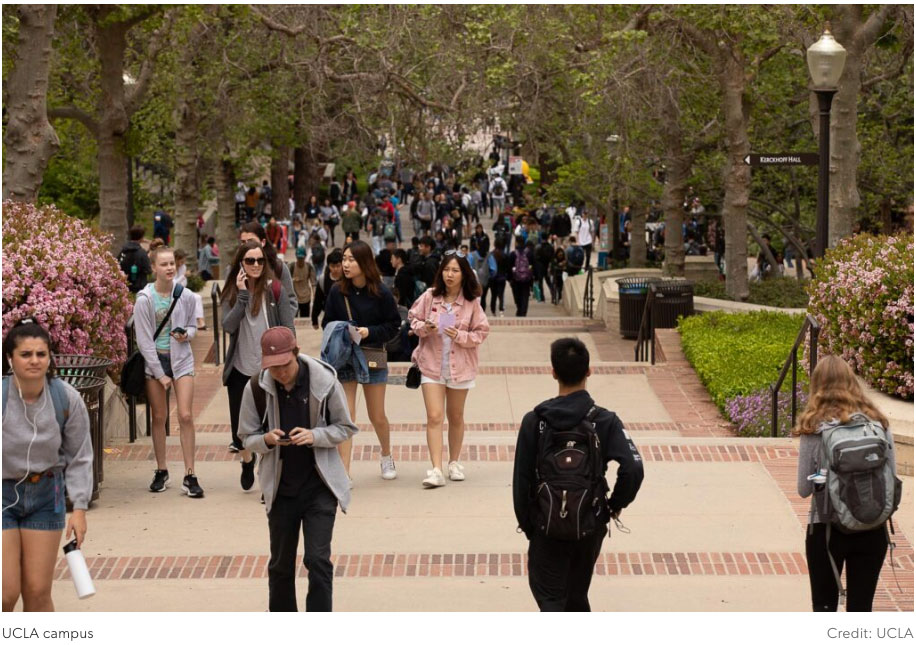
Julie Flapan, Director of our Computer Science Equity Project, argues that colleges should foster deeper understanding of complex issues, particularly in politically divisive contexts. By promoting critical thinking, empathy, and open dialogue, educators can help students navigate and bridge cultural and political divides, creating a more just and cohesive society.

Optimizing for Equity in Computer Science Education
Computer Science Equity Project Director Julie Flapan highlights the critical need for equitable access to computer science (CS) education in K-12 schools, emphasizing the importance of preparing teachers, developing a relevant curriculum, and addressing systemic inequalities. This commentary outlines seven policy recommendations for California to ensure high-quality CS education, providing underrepresented students with the skills needed in a technology-driven world.

4 ways Google is investing in STEM education in Los Angeles
Google is funding our research to analyze family and community involvement in CS education equity across California, helping people understand the impact on underrepresented students.
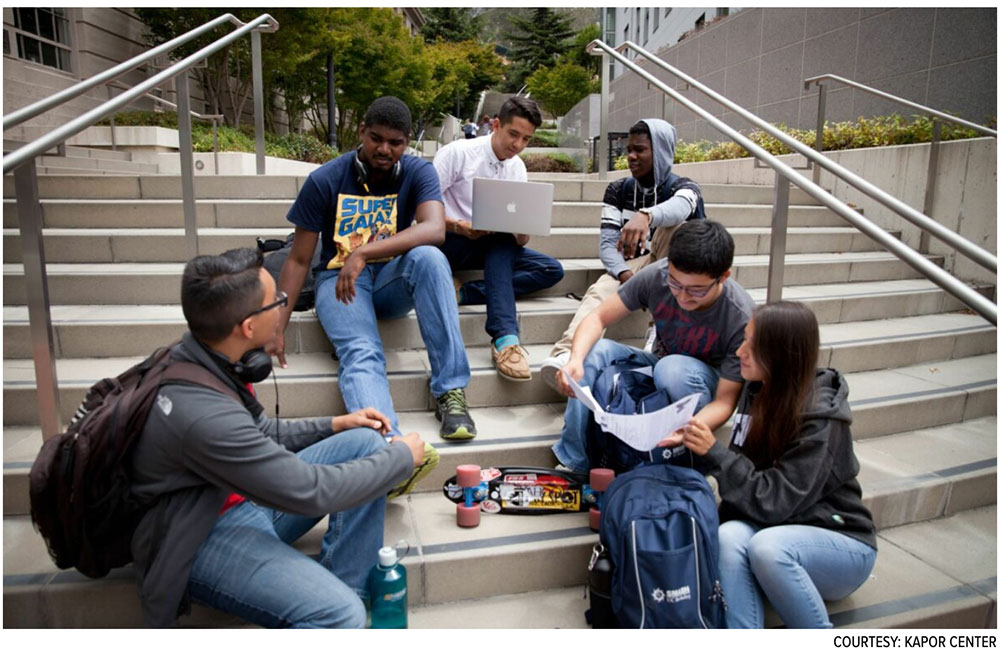
How we can make access to computer science education in California more equitable
Paula Nazario, Assistant Director of the Computer Science Equity Project, advocates in EdSource for two proposed California bills which aim to require all California high schools to offer computer science courses and widen the pool of authorized computer science teachers, with the goal of promoting equity and expanding educational opportunities in the state.
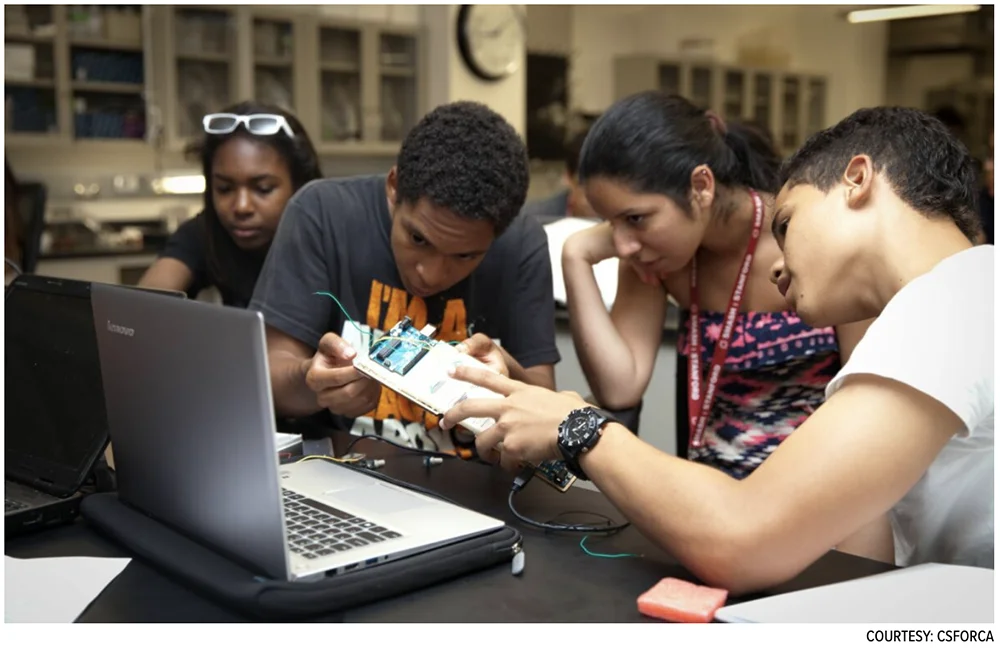
Improving access to computer science can help students catch up after the pandemic
Julie Flapan, Director of the Computer Science Equity Project, argues that providing access to computer science in all high schools will help our students catch up while moving ahead.

Navigating nuance is key to improving computer science education
Julie Flapan, Director of the Computer Science Equity Project, advocates for computer science learning opportunities that feature a nuanced approach which examines the ethical implications on society and includes integration into other subjects in this commentary.
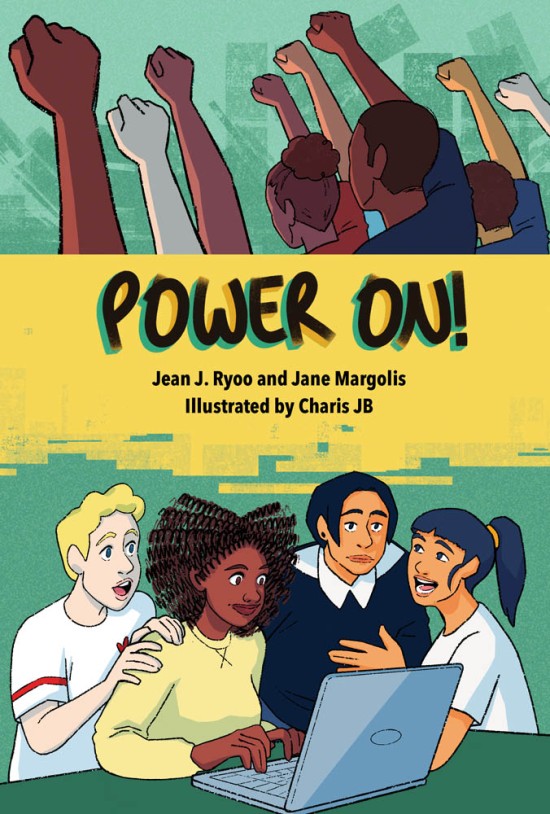
Computer Science Researchers Publish Graphic Novel, “Power On!”
UCLA Center X researchers Jean Ryoo and Jane Margolis along with artist Charis JB, have teamed up to produce “Power On!” a groundbreaking graphic novel that shines a bright and innovative light on the issues of representation and participation in computer science and technology.

Make good on California’s commitment to equity — fund computer science classrooms
Julie Flapan, Director of the CS Equity Project, co-wrote a commentary discussing how the state budget could address longstanding educational and career inequities that were magnified by remote learning in the pandemic.

Jean Ryoo Honored with AERA’s Jan Hawkins Award
Director of research for UCLA’s Computer Science Equity Project, Jean Ryoo, was recognized for her early career contributions to scholarship in humanistic research.
Introduction to Data Science Featured in USA Today Article About Teaching Math Differently
Jo Boaler and other math experts are recommending a new approach to teaching math.